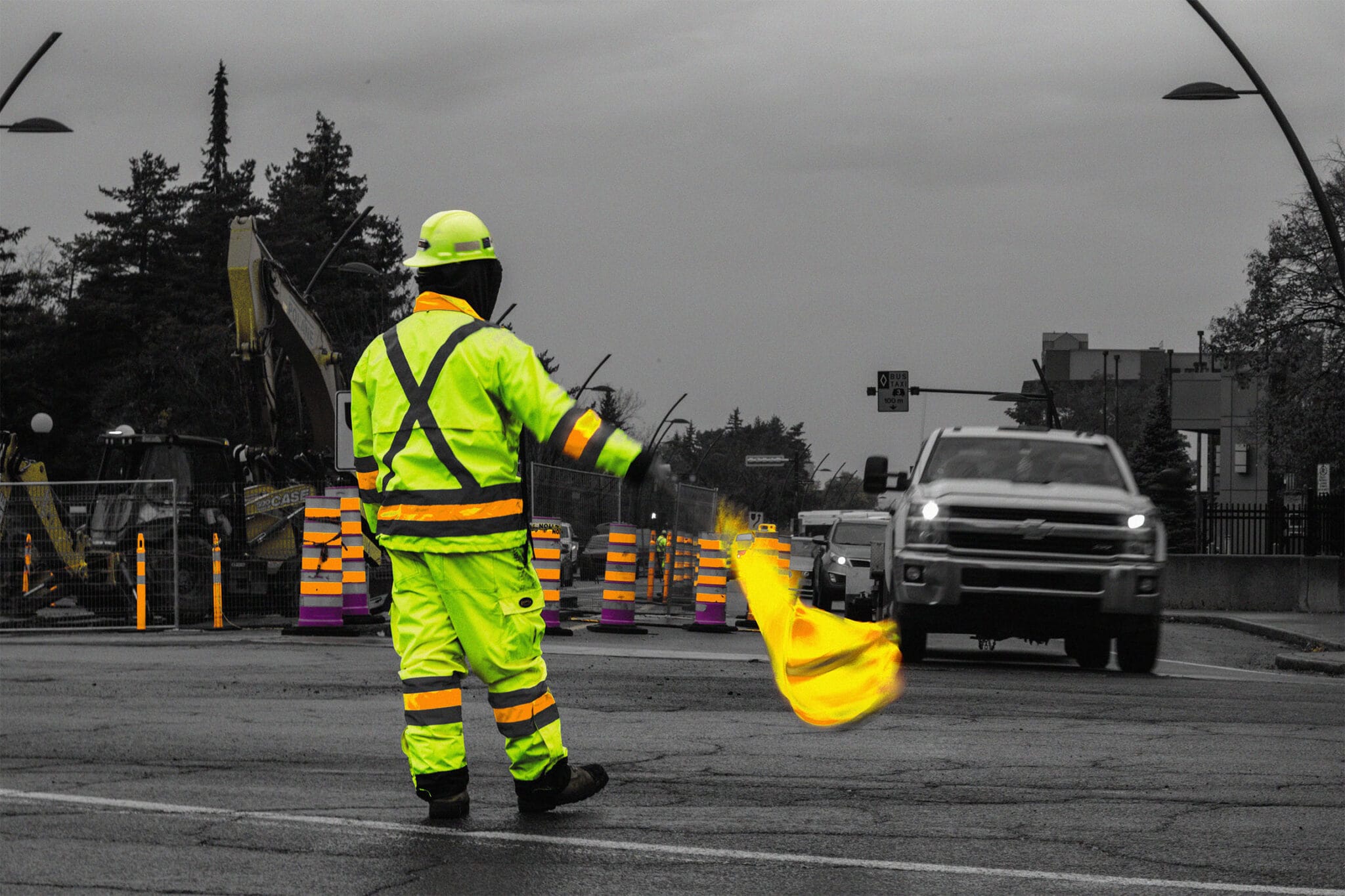
Traffic management in Ontario plays a central role in keeping roads safe and efficient during construction. Work zones often disrupt traffic flow, so effective planning reduces congestion while protecting both workers and drivers. Clear strategies explain what measures should be used, why they matter, and how they improve road safety.
Planning Ahead for Smoother Flow
The foundation of effective traffic management in Ontario lies in detailed planning. Municipalities and contractors must develop traffic control plans before starting construction. These plans outline lane closures, detours, and signage placement to guide drivers.
Advance communication with the public is equally important. Signs, media updates, and online alerts reduce confusion by informing drivers ahead of time. When commuters know about changes, traffic volumes can be better distributed, reducing gridlock near work zones.
Additionally, scheduling work during off-peak hours limits disruptions. Night shifts or weekend work often minimize the number of vehicles affected by lane restrictions.
On-Site Safety and Efficiency
Congestion often builds when drivers feel uncertain near construction areas. Clear signage and barriers maintain steady movement while signaling where vehicles should go. Certified flaggers add another layer of control, ensuring drivers and pedestrians remain safe in unpredictable conditions.
Technology also supports modern traffic management in Ontario. Portable message boards, traffic sensors, and GPS updates provide real-time information. These tools help drivers choose alternate routes, easing pressure on busy corridors.
Well-lit zones further improve visibility, reducing hesitation and accidents that cause unnecessary slowdowns. With better lighting, both workers and motorists benefit from improved awareness.
Why Professional Services Make a Difference
Managing congestion around work sites requires more than temporary signs. Professional traffic control companies bring expertise in regulations, logistics, and communication. Their involvement ensures that safety requirements are met while keeping traffic disruptions to a minimum.
For businesses and municipalities, this support reduces delays, lowers risks, and improves public confidence. Coordinating with trained professionals ensures that projects move forward efficiently without compromising road safety.
When work zones demand structured planning and reliable execution, partnering with Prosign offers a straightforward solution. Their experienced teams provide tailored traffic strategies that keep Ontario roads safer and more efficient.
