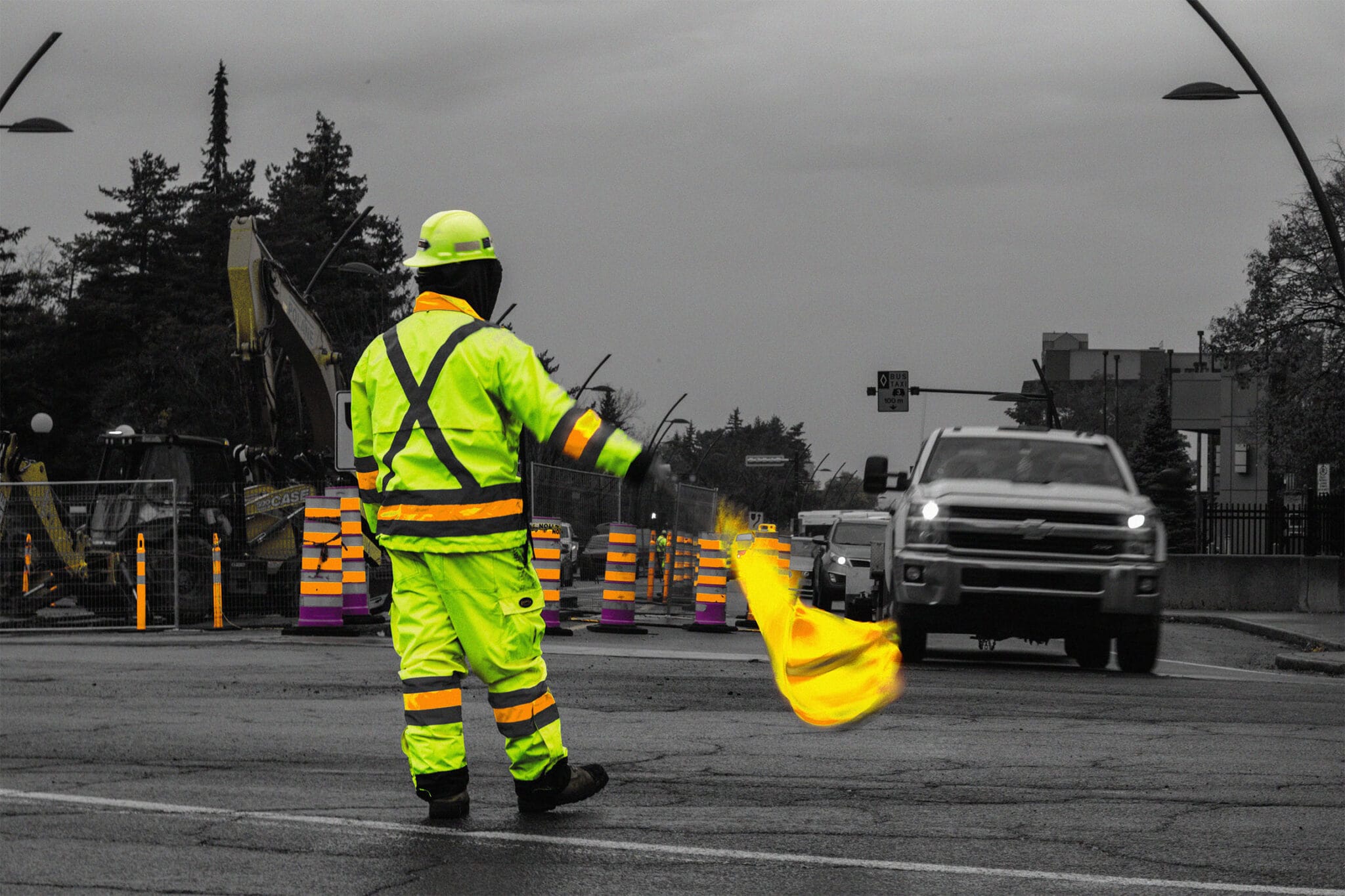
Even the smallest public works can trigger large-scale consequences. Without proper planning, a minor detour may paralyze a whole neighborhood. That’s why traffic management in Ontario must be integrated into every municipal or provincial project, from sidewalks to overpasses. Not as an afterthought—but as a core component of execution.
The difference between chaos and clarity
Imagine driving through a construction zone with no signs, no visible plan, no direction. Confusion sets in. Tempers rise. Mistakes happen. Now imagine the same scene with strategic signals, visible detours, and flaggers guiding each move. Traffic management in Ontario replaces guesswork with structure, which reduces both complaints and collisions.
But more importantly, it preserves trust. Citizens don’t expect miracles—but they do expect organization. When they see workers moving confidently and signage placed with purpose, they feel included, not ignored.
Every detour affects daily life
Often, the focus remains on cars. Yet traffic also involves buses, pedestrians, and emergency vehicles. Without thoughtful planning, delivery vans get stuck, elderly residents miss appointments, and access to shops disappears. That ripple effect can hurt local economies and public perception.
Effective traffic management recognizes these intersections with daily life. It maps alternate routes for transit, ensures sidewalks remain walkable, and plans detours that don’t confuse out-of-town drivers. By considering the broader picture, disruption turns into temporary adaptation—not prolonged frustration.
Project success depends on reputation
A well-executed road repair might go unnoticed. But a poorly managed lane closure will dominate headlines. For municipalities and contractors, perception matters. Good traffic planning doesn’t just support safety—it protects reputations.
That’s why smart leaders involve traffic experts from day one. They understand that traffic management isn’t a reactive measure but a proactive one. It prevents project delays, maintains schedules, and avoids the added costs of last-minute interventions.
Coordination is more than logistics
It’s not just where to place cones or how to reroute cars. It’s about connecting stakeholders: engineers, public relations teams, emergency services, and residents. This level of coordination ensures that a project isn’t just completed—but completed with community support.
For cities and developers seeking peace of mind, Prosign delivers dependable traffic management in Ontario with foresight, flexibility, and a strong sense of public responsibility.
